Chocolate Delight: How a Unique Font Duo Elevates Food Branding and Indulgent Design
In the world of visual communication, few elements are as critical to brand identity as typography. A single typeface can transform a simple message into an emotional experience, evoking feelings of trust, excitement, or indulgence. Among the vast array of design choices available today, one specific pairing has captured the imagination of creative professionals: Chocolate Delight. This bold and playful typeface is not merely a collection of letters; it is a carefully crafted tool designed to capture the essence of joy and sweetness.
Whether you are a packaging designer looking for that perfect label font, a marketing specialist aiming to boost engagement, or a small business owner wanting to stand out on the shelf, understanding the nuances of Chocolate Delight is essential. This article explores the unique characteristics of this font duo, its practical applications in modern branding, and why it remains a top choice for projects centered around food, creativity, and happiness.
Deconstructing the Chocolate Delight Typeface
To truly appreciate the power of Chocolate Delight, one must first understand its composition. Unlike traditional fonts that maintain a uniform style throughout, this typeface is a duo. It combines two distinct typographic styles into a cohesive unit, creating a dynamic contrast that mirrors the complexity of chocolate itself—both solid and fluid, rich and light.
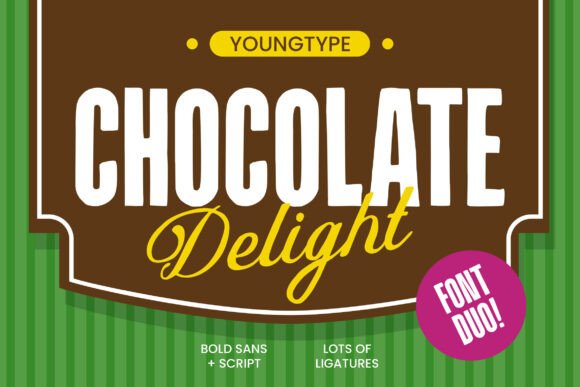
The first component of this pair is the word CHOCOLATE, rendered in a strong, modern sans-serif style. This choice is deliberate. Sans-serif fonts are known for their cleanliness, readability, and contemporary feel. By using a bold weight for "CHOCOLATE," the design immediately establishes authority and stability. It grounds the viewer, suggesting a product that is substantial, high-quality, and reliable. The thick strokes of these letters mimic the density and richness of dark chocolate, making the text feel almost tangible.
In stark yet harmonious contrast stands the second part: Delight. Here, the designers have opted for a flowing script that feels elegant and cursive-like. This section of the font introduces movement and personality. While the sans-serif portion speaks with a firm voice, the script whispers a promise of pleasure. It softens the overall aesthetic, adding a touch of sophistication that elevates the brand from a mere commodity to a luxury experience.
A particularly fascinating feature of Chocolate Delight is its use of ligatures. In typography, ligatures are special characters where two or more letters are joined together to form a single glyph. In the script portion of this font, ligatures are used to enhance the fluidity of the letterforms. Instead of disjointed strokes, the letters flow into one another seamlessly, creating a dynamic appearance that mimics the smooth texture of melted chocolate. This attention to detail ensures that the text does not just look good at a glance but rewards closer inspection.
The Psychology of Color and Typography
Typography rarely exists in a vacuum; it is almost always paired with color to create a complete visual identity. Chocolate Delight is frequently showcased with a specific color palette that amplifies its intended effect. The combination of bright yellow accents against a deep brown background is a masterclass in psychological design.
Brown is universally associated with earthiness, warmth, and, most notably, chocolate. It evokes a sense of comfort and nostalgia. When used as a background, it provides a rich canvas that allows other elements to pop without overwhelming the senses. Conversely, bright yellow acts as a powerful accent color. Yellow is the color of energy, optimism, and joy. In the context of food branding, it triggers appetite and suggests freshness.
When these colors meet the dual nature of the font, the result is a warm, inviting, and delightful feel. The brown background anchors the design, while the yellow highlights draw the eye to key information, such as the script portion of the logo. This contrast creates a visual rhythm that guides the viewer's attention naturally, ensuring that the message of "indulgence" is communicated instantly.
Practical Applications in Modern Business and Creativity
So, how does Chocolate Delight fit into the real world? Its versatility makes it suitable for a wide range of industries, though it shines brightest in sectors related to food, lifestyle, and creative arts. Let's explore some practical scenarios where this font duo can make a significant impact.
- Packaging Design: For confectioners, bakeries, and gourmet food producers, packaging is the first point of contact with the consumer. Using Chocolate Delight on a box of truffles or a bag of cookies immediately signals quality and taste. The bold "CHOCOLATE" assures the buyer of the main ingredient, while the elegant "Delight" promises a premium experience.
- Menu Engineering: Restaurants and cafes often struggle with menu design. They need fonts that are readable but also convey the atmosphere of the establishment. A menu featuring this font duo can transform a standard list of items into a curated journey. The contrast between the sturdy headers and the whimsical descriptions can guide customers toward higher-margin items or signature dishes.
- Social Media Marketing: In the age of Instagram and TikTok, visual content is king. Posts featuring quotes about happiness, recipes, or behind-the-scenes looks benefit greatly from the engaging nature of Chocolate Delight. The font's playful character helps brands connect with audiences on a more personal level, fostering a sense of community and shared enjoyment.
- Event Invitations: From birthday parties to wedding receptions, event invitations require a balance of formality and fun. This font duo offers exactly that. It can be used to announce a chocolate-themed gala or a sweet treat workshop, setting the tone before the event even begins.
Furthermore, the relevance of Chocolate Delight extends beyond just commercial use. In education, teachers might use it to create engaging materials for lessons on art history or nutrition, making learning more visually appealing. In technology, app developers designing culinary games or recipe apps can utilize this font to enhance user interface (UI) aesthetics, making the digital experience feel as warm and inviting as the physical world.
Clarifying Common Misunderstandings
Despite its clear advantages, there are often misconceptions about using display fonts like Chocolate Delight in professional settings. One common assumption is that decorative fonts are only suitable for children's products or casual blogs. However, this is far from the truth. The elegance of the script portion and the strength of the sans-serif mean that this font can be adapted for high-end luxury brands as well.
Another frequent misunderstanding involves legibility. Some designers fear that script fonts are too difficult to read. While it is true that extended paragraphs should never be set in script, Chocolate Delight is designed specifically for headlines, logos, and short phrases where legibility is prioritized alongside style. The distinct separation between the bold sans-serif and the flowing script ensures that each part of the message is easily understood.
Additionally, users sometimes worry about licensing issues when selecting fonts. It is crucial to verify the license terms before using Chocolate Delight in commercial projects. Whether for a small startup or a multinational corporation, ensuring that the font usage aligns with legal requirements protects the brand from potential litigation and respects the work of the type designers.
Building a Brand with Joy and Indulgence
Ultimately, the goal of any branding effort is to create a lasting connection with the audience. Chocolate Delight achieves this by tapping into universal emotions. Everyone understands the feeling of delight, especially when associated with a beloved treat like chocolate. By choosing a typeface that embodies these feelings, businesses can differentiate themselves in a crowded marketplace.
The font's ability to combine modern structure with artistic flair makes it a timeless choice. It respects the principles of good design—balance, contrast, and harmony—while injecting a dose of personality that many corporate fonts lack. As we move further into a digital-first world, the demand for authentic, human-centric design continues to grow. Chocolate Delight answers this call by offering a visual language that is both sophisticated and accessible.
For those looking to embark on a project that requires a touch of magic, whether it is launching a new line of organic chocolates or redesigning a café's signage, exploring the capabilities of this font duo is a strategic move. It invites customers to pause, smile, and indulge in the moment. In a world full of noise, a well-designed message that speaks directly to the heart of joy is a rare and valuable asset.
By leveraging the strengths of Chocolate Delight, creators can craft narratives that resonate deeply with their audience. The interplay of bold and delicate, the warmth of brown and the brightness of yellow, all come together to tell a story of quality and happiness. As you consider your next design challenge, remember that the right font can do more than just convey information—it can deliver an experience.