Evaluating Pinky Blush: A Versatile Script Font for Modern Design Projects
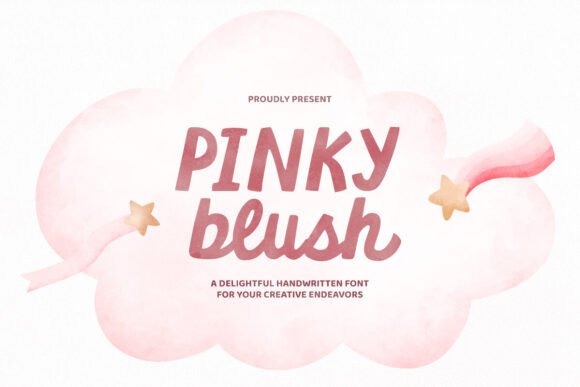
In the crowded landscape of digital typography, finding a typeface that balances personality with functionality can be challenging. Pinky Blush has emerged as a compelling option for designers seeking a font that bridges the gap between playful structure and fluid elegance. Unlike traditional script fonts that often rely heavily on cursive connections or rigid sans-serif styles, this unique typeface offers a hybrid approach. It blends playful sans serif elements with a friendly script style, creating a cohesive look that feels both modern and approachable.
For professionals aged 20 to 50 who are evaluating design resources, understanding the specific characteristics of Pinky Blush is essential before integrating it into a workflow. The font's ability to function effectively in both uppercase and lowercase forms provides a level of flexibility that many standard scripts lack. This article explores the distinct features of Pinky Blush, compares its utility against other typographic categories, and outlines the practical tradeoffs involved in selecting it for various creative applications.
Understanding the Unique Hybrid Structure
The primary distinction of Pinky Blush lies in its structural composition. Most script fonts fall into two camps: those that mimic handwritten cursive with continuous strokes and those that are strictly block-like. Pinky Blush disrupts this binary by incorporating the geometric stability of a sans serif while maintaining the organic flow of a script. This duality allows the letters to stand alone without feeling disjointed, even when the connecting strokes are minimal.
This characteristic makes it particularly valuable for projects where readability is paramount but a touch of whimsy is required. When used in isolation, whether in a headline or a subheading, the font maintains a consistent visual weight. The uppercase letters offer boldness suitable for logos, while the lowercase characters provide the warmth needed for body text or quotes. This versatility mimics the experience of using a complementary font duo, yet it remains within a single family, ensuring that the design never loses its unified voice.
- Playful Sans Serif Elements: Provides structural clarity and modern appeal.
- Friendly Script Style: Adds human connection and organic movement.
- Standalone Flexibility: Works effectively in mixed-case scenarios without looking broken.
Comparative Analysis: Pinky Blush vs. Traditional Scripts
When researchers compare Pinky Blush with traditional script fonts, several key differences regarding usage and impact become apparent. Conventional scripts often require careful kerning and spacing adjustments to ensure legibility, especially when used at smaller sizes or in all-caps formats. In contrast, the built-in balance of Pinky Blush reduces the need for extensive manual tweaking.
Consider the scenario of designing a book cover. A classic calligraphic script might convey luxury or tradition, but it can sometimes feel too formal or difficult to read quickly. Pinky Blush, however, offers a middle ground. It retains the artistic flair of a signature but with the accessibility of a printed typeface. This makes it an excellent alternative for genres that want to signal creativity without sacrificing clarity, such as self-help books, children's literature, or lifestyle magazines.
Similarly, in the realm of logo design, many brands struggle to find a font that scales well across different media. Standard scripts often lose detail when shrunk for social media avatars or mobile screens. The robust nature of Pinky Blush ensures that the core character of the brand remains intact regardless of the medium. While some competitors might offer more intricate flourishes, they often sacrifice scalability. Pinky Blush prioritizes functional beauty over excessive decoration.
Language Support and Global Versatility
One of the most significant advantages of choosing Pinky Blush for international projects is its support for multiple languages. In a globalized market, designers often have to compromise on aesthetics because a specific font does not support the necessary character sets. Many decorative scripts are limited to Western European languages, forcing designers to switch fonts mid-project, which breaks the visual continuity.
By supporting a broader range of languages, Pinky Blush eliminates this friction. Whether a project targets audiences in Eastern Europe, Latin America, or beyond, the font can maintain its intended tone without requiring complex workarounds. This feature is particularly beneficial for marketing materials, educational content, and branding packages that aim to reach diverse demographics. It transforms the font from a regional stylistic choice into a globally viable resource.
Strategic Applications and Best-Fit Scenarios
Deciding whether to incorporate Pinky Blush into a design requires an honest assessment of the project's goals. The font excels in situations where the message needs to feel personal yet professional. Below are specific use cases where the font demonstrates its strengths, alongside scenarios where it might not be the optimal choice.
- Quotes and Social Media Graphics: The friendly nature of the script makes it ideal for Instagram captions, Pinterest pins, or inspirational quote cards. Its playful elements draw the eye, while its clean lines ensure the text is readable on small screens.
- Logo Design: For startups in the lifestyle, beauty, or craft industries, Pinky Blush offers a distinctive mark. The combination of uppercase strength and lowercase charm creates a memorable brand identity that stands out against more corporate sans-serif options.
- Book Covers: As mentioned earlier, the font's ability to handle both title and subtitle text cohesively makes it a strong candidate for publishing. It avoids the clutter often seen in complex script designs while adding a layer of sophistication.
- Event Invitations: Weddings, birthdays, and workshops benefit from the welcoming vibe of the typeface. It conveys celebration without appearing overly ornate or outdated.
However, there are limitations to consider. If a project demands a highly formal, serious, or industrial aesthetic, Pinky Blush may be too casual. The inherent playfulness of the font can undermine messages related to finance, law, or heavy machinery. In these contexts, a neutral sans-serif or a classic serif would likely communicate authority more effectively.
Weighing Tradeoffs in Design Decisions
Evaluating any typeface involves weighing tradeoffs between uniqueness and familiarity. Pinky Blush leans towards the unique end of the spectrum, offering a fresh take on the script genre. However, this uniqueness comes with the responsibility of proper pairing. Because the font is visually active, it should generally be paired with simpler, understated typefaces for secondary text. Using another decorative font alongside it can create visual chaos.
Furthermore, while the font supports multiple languages, designers must still verify specific character requirements for their target audience. Not every language variant may include specialized diacritics or symbols depending on the version of the font file purchased. This is a common limitation across the industry, but it is a critical factor in the decision-making process for global campaigns.
Making the Final Choice
The decision to adopt Pinky Blush ultimately depends on the specific narrative the designer wishes to tell. It is not a universal solution, but rather a targeted tool for brands and creators looking to inject warmth and personality into their visual language. Its ability to blend sans serif stability with script fluidity addresses a common pain point in design: the desire for friendliness without the loss of professionalism.
For those exploring alternatives, it is worth considering how Pinky Blush fits into the broader ecosystem of design resources. It serves as a bridge between the rigid structure of modern UI design and the expressive freedom of hand-lettering. By offering flexibility in case usage and broad language support, it removes many of the barriers that typically restrict the use of script fonts in commercial projects.
Ultimately, the best way to determine if Pinky Blush is the right choice is through experimentation. Testing the font in mockups for logos, headlines, and body copy will reveal its true potential. When used thoughtfully, it can elevate a design from generic to memorable, providing the perfect balance of style and substance for a wide array of creative endeavors.