Integrating Fell Good Signature into Modern Design Workflows
In the landscape of digital and print design, selecting the right typography is rarely just an aesthetic choice; it is a strategic decision that dictates the tone, readability, and overall success of a project. For professionals seeking to elevate their visual communication without compromising on efficiency, Fell Good Signature represents a critical asset. This modern luxury script font is not merely a decorative element but a versatile tool designed to streamline the creation of high-end designs while maintaining a cohesive brand voice.
When designers approach a new project, they often face the challenge of balancing creativity with technical constraints. Fell Good Signature addresses this by offering a sophisticated blend of elegance and functionality. Its smooth, flowing strokes and stylish alternates allow for rapid customization, reducing the time spent on manual adjustments. Whether you are a freelancer managing tight deadlines or an agency lead overseeing complex branding initiatives, understanding how to integrate this typeface into your workflow can significantly enhance both the quality and speed of your output.
Defining the Role of Fell Good Signature in Creative Processes
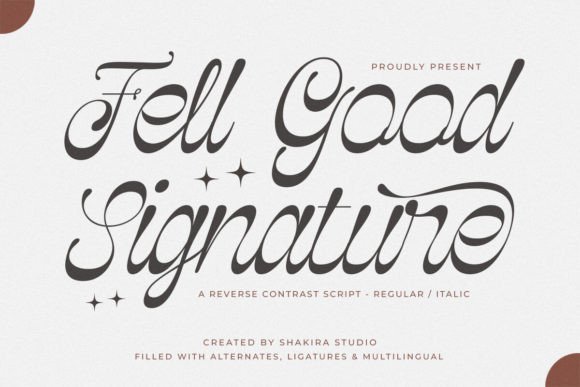
To effectively utilize Fell Good Signature, one must first understand its specific niche within the broader typographic ecosystem. Unlike standard serif or sans-serif fonts that serve as the backbone of body text, this script typeface acts as a focal point. It is engineered to convey a sense of exclusivity and personal touch, making it ideal for applications where human connection is paramount. The font's architecture supports both regular and italic versions, providing a dynamic range that adapts to various layout requirements.
The inclusion of stylistic alternates and ligatures is a key feature that separates this font from generic scripts. These elements are not just decorative flourishes; they are functional tools that improve legibility and flow. In a practical workflow, these features reduce the need for kerning adjustments. When a designer selects Fell Good Signature, they are choosing a typeface that has already been optimized for harmony between characters. This pre-optimization allows the creator to focus more on the conceptual layout and less on fixing spacing issues, thereby increasing overall productivity.
Preparation and Asset Organization
Before diving into the actual design phase, proper preparation ensures that Fell Good Signature integrates seamlessly into your existing systems. The first step involves verifying compatibility across your preferred software platforms. Since modern design workflows often span multiple devices and operating systems, ensuring that the font files (typically .otf or .ttf) are correctly installed and accessible is crucial. This step prevents interruptions during the creative process, where a missing font can derail a project timeline.
Organizing your font library is another essential aspect of preparation. Instead of scattering script fonts across different folders, create a dedicated category for luxury or signature typefaces. By isolating Fell Good Signature in a specific folder, you can quickly locate it when brainstorming or executing client projects. This organizational strategy is particularly beneficial for teams working collaboratively. When multiple stakeholders access the same assets, clear file structures prevent version control errors and ensure that everyone is using the correct iteration of the font.
Strategic Implementation Across Project Stages
The utility of Fell Good Signature extends beyond simple text replacement; it influences the entire lifecycle of a design project. Understanding where and when to apply this font can transform a standard deliverable into a premium product. The following sections outline how this typeface fits into various stages of planning and execution.
- Conceptualization and Mood Boarding: Early in the process, use Fell Good Signature to establish the emotional direction of a project. Its elegant curves immediately signal sophistication, helping clients visualize the final outcome. Placing sample headlines in mood boards can accelerate approval processes by demonstrating the potential impact of the typography.
- Drafting and Layout: During the initial layout phase, test the font against your chosen imagery. The fluid nature of the script pairs exceptionally well with minimalist backgrounds, allowing the text to breathe. However, be mindful of contrast; if the background is busy, consider using the regular weight to maintain clarity. The italic version should be reserved for emphasis or secondary calls to action, adding a layer of movement to the composition.
- Refinement and Detailing: This is where the font's advanced features shine. Utilize the stylistic alternates to break up repetitive letterforms, such as in long words or repeated phrases. Ligatures can be applied to connect letters naturally, creating a hand-written feel that feels authentic rather than forced. This level of detail is what distinguishes a mass-produced design from a bespoke creation.
- Final Output and Delivery: Before exporting files, conduct a rigorous quality control check. Ensure that the font renders correctly on all intended platforms, especially for web usage. If delivering print-ready files, verify that the vector outlines are intact and that the resolution meets industry standards. Consistency at this stage guarantees that the high-quality work invested throughout the process is preserved in the final delivery.
Interacting with Other Design Tools and Resources
No designer works in isolation. Fell Good Signature interacts with a variety of other tools and resources, from graphic design software to project management platforms. When integrating this font into a multi-disciplinary workflow, it is important to consider how it behaves alongside images, illustrations, and data visualizations. The script's organic lines often complement geometric shapes and clean lines found in modern UI/UX design, creating a balanced visual hierarchy.
For marketers and content creators, the font serves as a bridge between visual identity and copywriting. When crafting email campaigns or social media graphics, the distinct personality of Fell Good Signature can increase engagement rates. It draws the eye to headlines and calls to action, guiding the user's attention through the content. However, effective implementation requires a disciplined approach to consistency. Using the font randomly or overusing it can dilute its impact. Establish a style guide early in the project that defines exactly where and how the font should be used, ensuring that every piece of communication reinforces the brand's premium image.
Optimizing Efficiency and Long-Term Value
One of the primary concerns for entrepreneurs and small business owners is the return on investment regarding design assets. While premium fonts may require a higher upfront cost, Fell Good Signature offers long-term value through its versatility and durability. A well-chosen typeface ages gracefully, remaining relevant even as design trends shift. This longevity reduces the need for frequent rebranding or asset replacement, saving time and resources in the future.
Efficiency is also gained through the font's adaptability. Because it includes both regular and italic styles, designers can achieve a wide range of visual effects without needing to purchase additional typefaces. This consolidation simplifies licensing management and reduces clutter in design libraries. Furthermore, the font's ability to handle various weights and styles means it can be used across diverse media, from large-scale billboards to small mobile screens, provided that appropriate sizing and spacing rules are followed.
For educators and bloggers, incorporating Fell Good Signature into educational materials or blog headers adds a layer of professionalism that can enhance credibility. It signals to the audience that the content is curated with care and attention to detail. In a crowded digital space, this subtle differentiation can be the deciding factor in whether a reader engages with the material or moves on to the next link.
Maintaining Quality Control and Consistency
Sustaining the high standards associated with Fell Good Signature requires ongoing attention to detail. As projects scale, maintaining consistency becomes increasingly difficult. Regular audits of your design assets can help identify any deviations from the established style guide. Check for common pitfalls such as incorrect kerning, improper use of alternates, or mismatched font weights. These small inconsistencies can undermine the perceived quality of the entire project.
Additionally, stay informed about updates or variations of the font family. Font manufacturers often release new versions with improved metrics or additional glyphs. Keeping your library updated ensures that you have access to the best possible tools for your workflow. By treating typography as a living component of your design system rather than a static element, you can continuously refine your output and adapt to changing market demands.
Conclusion: Elevating Your Workflow with Intentional Typography
The integration of Fell Good Signature into your design practice is more than a stylistic upgrade; it is a strategic enhancement of your entire workflow. By understanding its capabilities and implementing it thoughtfully, you can produce work that resonates with audiences on a deeper level. The font's combination of elegance, versatility, and technical precision makes it an invaluable asset for anyone looking to create high-end designs that stand the test of time.
Whether you are launching a new brand, designing a wedding invitation suite, or curating an editorial layout, Fell Good Signature provides the foundation upon which exceptional visuals are built. Embrace the process of mastering this typeface, experiment with its features, and watch as your designs evolve from good to truly great. In the world of professional design, the difference often lies in the details, and there is no better way to showcase those details than with a font that exudes confidence and grace.