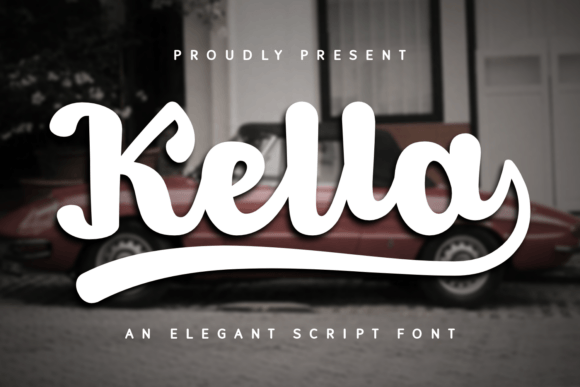
Kella: The Bold Script That Commands Attention
In the crowded digital landscape, where every pixel competes for a fraction of a user's attention, typography serves as the silent ambassador of your brand. It is the first thing people see before they read a single word of your copy. Among the vast array of typefaces available to designers and creators, Kella has emerged as a distinct choice for those seeking a balance between artistic flair and functional readability. This bold script font is not merely a decorative element; it is a strategic tool designed to inject energy, style, and personality into any design project.
Whether you are a business owner looking to revamp your personal branding or a creator crafting an invitation suite, understanding the unique characteristics of Kella is essential. This guide explores the purpose, features, and practical applications of this versatile typeface, helping you determine if it is the right fit for your next venture.
Defining the Character of Kella
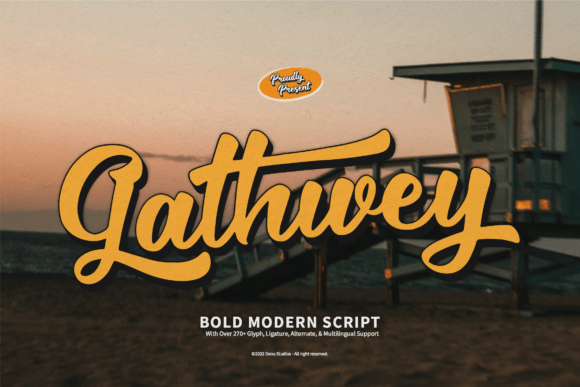
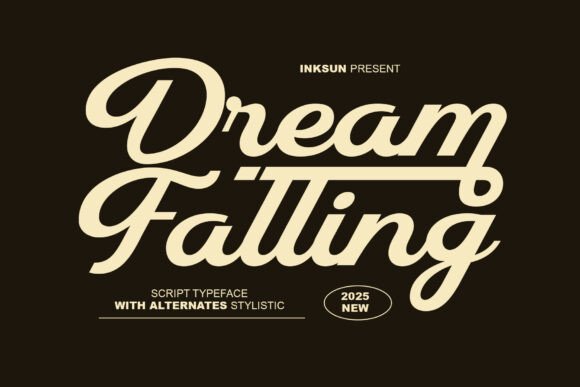
To truly appreciate Kella, one must look beyond its visual appeal and understand its structural integrity. Unlike many script fonts that sacrifice legibility for the sake of flow, Kella is engineered with a strong presence in mind. The letters are characterized by their flowing, cursive nature, which mimics the natural movement of a hand writing with a brush or a fine-point pen. However, the strokes are thickened and refined to ensure they stand out against both light and dark backgrounds.
The font's defining trait is its boldness. In a world dominated by thin, delicate scripts that often struggle to render well on mobile screens, Kella offers weight and confidence. This robust construction makes it exceptionally easy to read, even at smaller sizes or when used in complex layouts. The curves are smooth, and the connections between letters are seamless, creating a continuous rhythm that guides the eye naturally across the text. This combination of fluidity and strength is what sets Kella apart from standard cursive options.
The Intersection of Style and Utility
Many designers face a dilemma: choose a font that looks beautiful but is hard to read, or pick something readable that lacks character. Kella resolves this conflict by offering a rare dual-purpose capability. Its stylistic elements make it perfect for headlines and titles where impact is paramount, while its clear letterforms ensure that the message remains accessible to the audience.
This utility extends to various contexts. For instance, when used in digital marketing materials, Kella can break up monotony without causing cognitive strain. When applied to print media, such as wedding invitations or product packaging, it adds a touch of elegance and high-end quality that resonates with consumers who value aesthetics. The font's ability to adapt to different mediums without losing its identity is a testament to its thoughtful design.
Where Kella Shines: Practical Applications
The versatility of Kella allows it to be integrated into a wide range of projects, each requiring a slightly different approach to maximize its potential. By examining real-world scenarios, we can better understand how this font functions in practice and what value it brings to specific industries.
- Personal Branding: For influencers, freelancers, and entrepreneurs, establishing a unique visual identity is crucial. Using Kella in a logo or signature creates an immediate impression of creativity and confidence. The bold lines suggest authority, while the cursive loops imply a personal, human touch. This duality helps build trust with an audience that wants to connect with a real person behind the brand.
- Event Invitations: Weddings, galas, and corporate events often rely on typography to set the tone. Kella is ideal for these occasions because it conveys formality without feeling stiff or outdated. The flowing letters evoke a sense of celebration and movement, making the invitation feel like a special keepsake rather than just a piece of paper.
- Headlines and Social Media: In the fast-paced environment of social media, users scroll quickly. A headline set in Kella acts as a visual anchor, stopping the scroll and drawing the eye. Whether it is a quote graphic, a blog post title, or an Instagram story overlay, the font's high contrast and clarity ensure the message is absorbed instantly.
- Product Packaging: Consumer goods need to stand out on crowded shelves. A label featuring Kella can elevate a product from generic to premium. The font's energetic presence suggests innovation and quality, encouraging customers to pick up the item and investigate further.
Evaluating Suitability for Your Project
While Kella is a powerful tool, it is not a universal solution for every design challenge. To use it effectively, professionals and hobbyists alike should consider the context of their project and the expectations of their target audience. The key lies in balancing the font's bold personality with the overall message of the content.
One of the primary strengths of Kella is its readability. Because the letters are distinct and the weight is consistent, it performs well in short bursts of text. However, like most script fonts, it is generally not recommended for long paragraphs of body copy. Overusing Kella in large blocks of text can lead to visual fatigue, making the content difficult to digest. Instead, reserve the font for emphasis, headers, and short phrases where its impact can be fully appreciated.
Another consideration is the pairing of Kella with other typefaces. Since Kella is a dominant font with a strong presence, it pairs best with simple, neutral sans-serif or serif fonts for supporting text. This contrast allows the script to take center stage while ensuring the informational content remains clean and professional. Mixing Kella with another busy or decorative font can create a chaotic visual hierarchy that confuses the viewer.
Navigating Limitations and Best Practices
Understanding the limitations of Kella is just as important as knowing its strengths. While the font is highly legible, extremely small sizes may still cause the intricate details of the script to blur, particularly on lower-resolution screens. Designers should test the font at various sizes to ensure it retains its clarity. Additionally, the cultural context matters; while Kella works well for creative and celebratory themes, it may feel too informal for legal documents, financial reports, or serious news outlets where traditional, conservative typography is preferred.
When evaluating whether to use Kella, ask yourself: Does this project require a voice that is both stylish and energetic? If the answer is yes, Kella is likely an excellent candidate. If the goal is to convey strict minimalism or absolute neutrality, a more subdued typeface might be more appropriate.
Maximizing the Impact of Kella
To get the most out of Kella, focus on usage strategies that highlight its unique attributes. Use it sparingly to create focal points. For example, in a website hero section, a single sentence in Kella can transform the entire mood of the page. In email newsletters, using Kella for the subject line or key call-to-action buttons can significantly increase engagement rates.
Furthermore, leverage the font's ability to convey emotion. The flowing nature of the letters can soften a brand's image, making it appear more approachable and friendly. Conversely, the bold weight ensures that this friendliness does not come across as weak. This emotional nuance is invaluable for businesses aiming to build loyal communities around their products or services.
In conclusion, Kella represents a significant step forward in script typography, bridging the gap between artistic expression and practical communication. Its flowing, cursive letters with a strong presence make it a valuable asset for anyone looking to add a stylish and energetic touch to their designs. By understanding its features and applying it thoughtfully, creators and professionals can harness the power of Kella to tell compelling stories and connect deeply with their audiences.
As you embark on your next design project, consider the role typography plays in your narrative. With Kella, you have a tool that is ready to help you speak louder, clearer, and with more style than ever before.