Overlays: Elevating Visual Identity Through Elegant Typography
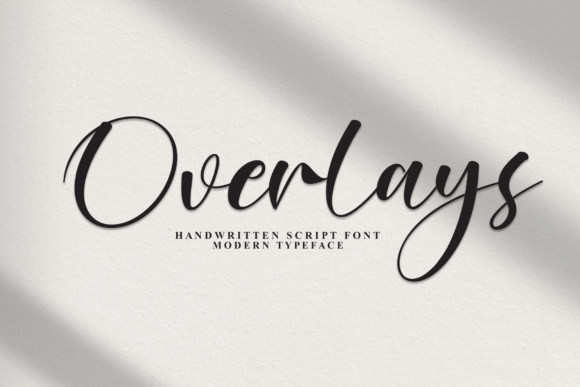
In the landscape of digital design and branding, few elements carry as much weight as typography. It is the silent ambassador of a brand, communicating tone, personality, and professionalism before a single word of body copy is read. Overlays emerges in this space not merely as a typeface, but as a strategic asset for professionals seeking to balance tradition with modernity. This stylish script font exudes elegance and contemporary charm, offering a unique solution for those who need their visual communication to feel both handcrafted and meticulously planned.
For entrepreneurs, marketers, and creative directors, the selection of a font is rarely an aesthetic whim; it is a functional decision that impacts user engagement, brand recall, and overall project quality. Overlays fits seamlessly into this workflow by capturing the beauty of hand-drawn calligraphy while maintaining the structural integrity required for digital environments. Its graceful strokes and fluid curves provide a natural flow that feels organic, yet its carefully crafted letterforms ensure consistency across various media. Whether you are finalizing a high-stakes pitch deck or designing a social media campaign for a boutique lifestyle brand, understanding how to integrate Overlays effectively can transform a standard layout into a refined statement.
The Role of Script Fonts in Modern Workflows
To understand where Overlays belongs in your process, one must first recognize the specific niche script fonts occupy. In a world dominated by clean sans-serifs and rigid geometric forms, script fonts serve as the bridge between human connection and digital precision. They introduce warmth and movement, breaking up monotony and guiding the viewer's eye through a hierarchy of information. However, not all scripts are created equal. Many lack the legibility or versatility needed for professional applications, often resulting in designs that look dated or cluttered.
Overlays distinguishes itself by avoiding these common pitfalls. It features a modern twist on classic calligraphy, ensuring that its decorative nature does not compromise readability. This makes it an ideal candidate for specific stages of the design lifecycle. During the conceptual phase, it helps define the emotional direction of a project. When used in logos, it sets a tone of sophistication that appeals to discerning audiences. In invitations and packaging, it elevates the perceived value of the product or event. By selecting Overlays early in the planning stage, creators can establish a cohesive visual language that persists through execution.
Integration Across Creative Platforms
The true power of a versatile font lies in its ability to interact with other tools and platforms without losing its character. Overlays is designed with polished details that render well across different resolutions and mediums. For freelancers and small business owners managing their own content, this compatibility is crucial. You might find yourself moving assets from Adobe Illustrator for vector-based logo work to Canva for quick social media graphics, or perhaps exporting files for print production using InDesign. A font like Overlays maintains its integrity throughout this transition, ensuring that the "hand-drawn" quality remains consistent whether viewed on a mobile screen or printed on heavy cardstock.
When integrating Overlays into a broader design system, consider how it pairs with supporting typefaces. The fluid curves of the script demand a more structured companion to create balance. Pairing it with a clean, neutral sans-serif allows the script to shine as the focal point without creating visual noise. This approach is particularly effective in marketing materials where clarity is paramount. For instance, in a brochure layout, use Overlays for headers and key quotes to draw attention, while relying on a highly readable serif or sans-serif for the explanatory text. This combination leverages the strengths of both: the emotional appeal of the script and the informational efficiency of the block text.
Practical Applications in Business and Branding
For professionals looking to implement Overlays in their daily workflows, the opportunities span a wide array of industries. The font's ability to add a refined touch makes it particularly valuable for businesses in the luxury, hospitality, education, and wellness sectors. Let us explore how this tool can be utilized in concrete scenarios to enhance outcomes.
- Logo Design: For startups or rebranding efforts, a logo needs to be memorable yet timeless. Overlays provides a distinctive mark that suggests craftsmanship and attention to detail. It works exceptionally well for monograms or stylized initials, adding a layer of exclusivity that generic fonts cannot achieve.
- Event Invitations: Whether for corporate galas or intimate weddings, the invitation is the first physical interaction a guest has with an event. Using Overlays here immediately sets expectations for the quality of the experience. The natural flow of the letters mimics the personal touch of a handwritten note, fostering a sense of anticipation and care.
- Packaging Solutions: In retail, shelf presence is everything. Packaging that utilizes Overlays stands out against competitors who rely on stark, industrial typography. The elegant curves suggest premium ingredients or artisanal production methods, influencing purchasing decisions at the critical moment of choice.
- Social Media Graphics: In the fast-paced environment of Instagram and Pinterest, visual stops matter. Overlays cuts through the feed with its sophisticated aesthetic. It is perfect for quote cards, promotional banners, and story highlights, allowing brands to maintain a high-end image even in casual digital spaces.
Workflow Optimization and Quality Control
Implementing any new resource requires a shift in process to maximize efficiency. When introducing Overlays into your toolkit, preparation is key. Before diving into the design, ensure you have tested the font across your primary output formats. Check kerning (the spacing between characters) specifically, as script fonts can sometimes appear too tight or too loose depending on the context. Adjusting tracking manually may be necessary to achieve the desired visual rhythm, especially when setting short headlines versus longer phrases.
Consistency is another factor that demands attention. If you are working within a team, establish clear guidelines on how and where Overlays should be used. Define specific rules for capitalization, sizing, and color application. For example, you might decide that Overlays will only be used in uppercase for maximum impact or reserved exclusively for black-and-white contrast to preserve its delicate lines. These protocols prevent the font from being overused or misapplied, which could dilute its effectiveness.
Furthermore, consider the long-term implications of your choice. Fonts are investments in your brand's identity. Overlays offers a blend of current trends and enduring style, making it a sustainable choice for future projects. Unlike novelty fonts that may quickly become obsolete, the contemporary charm of Overlays ensures it remains relevant as design trends evolve. This foresight reduces the need for frequent redesigns and supports a stable, recognizable brand presence over time.
Strategic Considerations for Implementation
While the aesthetic appeal of Overlays is undeniable, successful implementation relies on a strategic mindset. It is not enough to simply drop the font into a document; one must understand the psychological impact of its form. The graceful strokes evoke feelings of trust and artistry, while the modern twist signals innovation. This duality allows designers to communicate complex messages efficiently. For educators or bloggers, using Overlays in course titles or blog post headers can signal that the content is curated with care and expertise.
Efficiency also plays a role in the decision-making process. Because Overlays captures the essence of calligraphy, it eliminates the need for manual illustration or hiring a custom lettering artist for certain tasks. This streamlines the production pipeline, saving time and budget without sacrificing quality. For productivity-minded users and solo entrepreneurs, this efficiency is invaluable. It allows them to produce professional-grade visuals independently, reducing reliance on external resources and accelerating project timelines.
Finally, always prioritize usability. While elegance is a goal, it should never come at the expense of accessibility. Ensure that text set in Overlays meets contrast requirements and is large enough to be legible for all users. Test your designs with real-world data or feedback loops to confirm that the font achieves the intended effect. By combining the artistic strength of Overlays with rigorous testing and thoughtful planning, you can create designs that are not only beautiful but also functional and effective.
In conclusion, Overlays represents more than just a typeface; it is a tool for strategic communication. Its ability to merge hand-drawn charm with modern precision makes it a versatile addition to the arsenal of any creator. By understanding its properties, integrating it thoughtfully into your workflow, and adhering to best practices in design and organization, you can unlock its full potential. Whether you are crafting a logo, designing a package, or formatting a digital article, Overlays provides the refined touch needed to elevate your work and resonate with your audience.