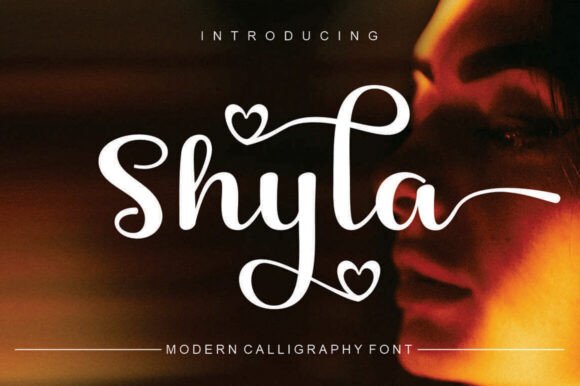
Shyla: A Modern Script with Classic Elegance for Elevated Design
In the vast landscape of digital typography, finding a typeface that balances contemporary flair with timeless sophistication is often a challenge. Many designers struggle to find a script font that feels authentic without appearing overly ornate or difficult to read. Shyla emerges as a compelling solution in this category. It is a modern script font featuring a classic and elegant touch, masterfully designed to become a true favorite among creative professionals. Its potential lies in its ability to bring each of your creative ideas to the highest level while maintaining legibility and grace.
When evaluating typography for a project, the decision often comes down to more than just aesthetic preference; it involves understanding how the font functions within a specific layout and audience context. Shyla distinguishes itself by bridging the gap between handwritten authenticity and structured precision. Unlike rigid serif fonts or purely geometric sans-serifs, Shyla offers fluidity. However, like any design tool, it has specific strengths and tradeoffs that must be understood before integrating it into a workflow.
Understanding the Distinct Character of Shyla
To determine if Shyla fits your project, one must first analyze its core characteristics. The font is defined by its fluid strokes and deliberate spacing, which mimic the natural flow of a calligraphic pen while retaining the consistency required for digital media. This duality makes it distinct from traditional brush scripts that can appear chaotic or inconsistent when scaled down.
The "classic" element of Shyla refers to its adherence to traditional letterform structures. The curves are rounded but controlled, avoiding the exaggerated swashes found in novelty display fonts. Meanwhile, the "modern" aspect is evident in its clean lines and optimized kerning. This combination allows Shyla to function effectively in both large-scale headlines and smaller body text applications where readability is paramount.
For users aged 20 to 50 who are looking to elevate their brand identity, Shyla offers a versatile palette. It avoids the dated look of old-fashioned wedding scripts while steering clear of the sterile feel of many corporate typefaces. Instead, it provides a sense of curated elegance that suggests quality and attention to detail. This makes it particularly effective for projects requiring a personal touch without sacrificing professionalism.
Evaluating Strengths and Limitations
No single typeface is a universal solution. Understanding the limitations of Shyla is just as important as recognizing its strengths. The primary strength of Shyla is its emotional resonance. It conveys warmth, creativity, and approachability. When used correctly, it can transform a standard layout into something memorable.
- Legibility: While it is a script, Shyla maintains high legibility due to its open counters and consistent stroke weight.
- Versatility: It pairs well with simple sans-serif headers or minimalistic layouts, allowing it to shine without competing for attention.
- Cultural Neutrality: The design avoids specific cultural markers, making it suitable for a wide range of international audiences.
However, there are tradeoffs. As a script font, it is not ideal for long-form body text in dense articles or technical manuals. In these scenarios, the decorative nature of the letters can reduce reading speed and cause eye fatigue. Additionally, because Shyla carries a strong stylistic voice, it may clash with other highly decorative elements. If a design already features complex patterns or multiple fonts, adding Shyla might create visual noise rather than harmony.
Comparative Analysis: Shyla vs. Other Typography Approaches
When researching options, designers often compare script fonts against two main categories: traditional calligraphy styles and modern hand-lettered displays. Understanding where Shyla sits on this spectrum helps clarify its best use cases.
Traditional Calligraphy vs. Modern Script
Traditional calligraphy fonts often rely heavily on thick-and-thin stroke variations. While beautiful, they can suffer from poor screen rendering at small sizes. Shyla addresses this by flattening some of the extreme contrast, ensuring that the font remains crisp on mobile devices and low-resolution screens. This makes it a superior choice for responsive web design compared to older, more rigid calligraphic alternatives.
Hand-Lettered Displays vs. Structured Scripts
On the other end of the spectrum, hand-lettered display fonts often feature unique irregularities for every character. These are excellent for one-off posters but difficult to scale for branding systems where consistency is key. Shyla offers a middle ground. It possesses the organic feel of hand-lettering but includes the structural consistency of a digital typeface. This means you can use Shyla across a website, a business card, and a social media banner without losing the cohesive identity of the brand.
Decision Factors: When to Choose Shyla
Selecting the right font is a strategic decision based on the goals of the project. Shyla is not merely a decorative choice; it is a functional tool for communication. Below are specific scenarios where Shyla proves to be the right choice, alongside situations where an alternative might be necessary.
Ideal Use Cases for Shyla
Shyla excels in contexts where personality and emotion are central to the message. It is particularly effective for:
- Luxury Branding: High-end fashion, beauty products, or boutique services benefit from the refined elegance Shyla provides.
- Editorial Design: Magazine covers and article headings can use Shyla to add a touch of sophistication without overwhelming the content.
- Event Invitations: Weddings, galas, and exclusive parties often require a font that feels formal yet inviting. Shyla delivers this balance perfectly.
- Personal Portfolios: Creative professionals can use Shyla to showcase their work with a style that reflects their artistic sensibility.
When to Consider Alternatives
Despite its versatility, Shyla is not the correct choice for every situation. If your project requires strict neutrality, such as financial reports, medical documentation, or government forms, a neutral sans-serif or serif font would be more appropriate. In these cases, the emotional weight of Shyla could undermine the perceived objectivity of the information.
Furthermore, if the target audience is primarily focused on speed and efficiency, such as in a utility app or a dashboard interface, Shyla may introduce unnecessary cognitive load. In these environments, clarity trumps style. Similarly, if the design language is strictly brutalist or industrial, the soft curves of Shyla might feel out of place against harsh geometric shapes.
Practical Application and Integration
Integrating Shyla into a design system requires thoughtful pairing. To maximize its impact, it should be paired with typefaces that complement rather than compete with its fluidity. A clean, geometric sans-serif is often the safest bet for supporting text, as it provides a stable foundation that allows Shyla to act as the focal point.
Consider the hierarchy of information. Using Shyla for the main title sets the tone, while using a simpler font for subheadings and body text ensures the user can navigate the content easily. This approach leverages the "highest level" potential of Shyla mentioned in its design philosophy, using it to elevate the overall composition without compromising usability.
Color and texture also play a role. Shyla's classic elegance shines when paired with muted tones, metallic accents, or subtle textures. Avoiding overly bright or clashing colors will ensure the font remains the star of the show. Conversely, placing Shyla on a busy background can obscure its details, so ample whitespace is essential.
Final Thoughts on Selection
The process of choosing a font is rarely about finding the "best" option in isolation; it is about finding the best fit for a specific context. Shyla represents a significant step forward in modern script typography, offering a blend of classic charm and contemporary utility. Its ability to adapt to various media formats while maintaining its distinctive character makes it a valuable asset for designers seeking to elevate their work.
By carefully weighing the strengths of Shyla against the requirements of your project, you can make an informed decision that enhances your creative output. Whether you are designing a luxury label, a personal blog, or a special event invitation, Shyla provides the tools to communicate your vision with grace and precision. Ultimately, the goal is to create a design that resonates with your audience, and for many projects, Shyla offers the perfect bridge between style and substance.