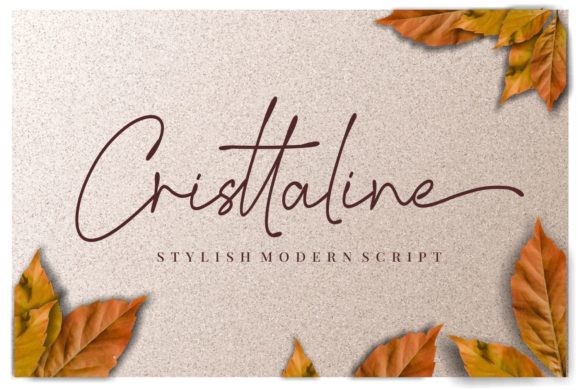
Defining Elegance: The Strategic Application of Cristtaline in Modern Design
In the rapidly evolving landscape of digital and print media, the selection of typography is rarely a superficial decision. It serves as the silent ambassador of a brand, setting the tone before a single word of body copy is read. Among the vast array of typefaces available to designers today, Cristtaline has emerged as a distinctive choice for those seeking to convey sophistication without sacrificing readability. This modern script font is defined by its very fine and elegant characters, offering a visual language that speaks directly to luxury, exclusivity, and high-end craftsmanship.
The utility of such a specialized typeface extends far beyond mere aesthetics. When integrated correctly into a design workflow, it transforms standard layouts into immersive experiences. Whether utilized by a jewelry designer crafting a lookbook, an educator creating premium course materials, or a business owner rebranding a boutique service, the impact of this font is measurable. Its unique characteristics allow it to bridge the gap between traditional calligraphy and modern digital constraints, making it a versatile asset for a broad spectrum of professionals.
The Architecture of Fine Lines
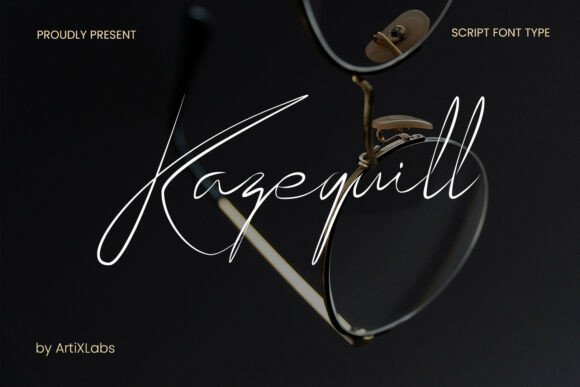
To understand why Cristtaline commands attention, one must first examine its structural composition. Unlike bold display fonts that rely on heavy weight to make an impression, this typeface derives its power from precision. The strokes are incredibly fine, tapering with a grace that mimics the movement of a high-quality nib pen across smooth paper. This fineness creates a sense of lightness and airiness, preventing the text from feeling cluttered even when used in longer passages.
The elegance of the characters is not accidental; it is the result of careful geometric planning. Every curve is designed to flow naturally into the next, ensuring that words appear connected and harmonious rather than disjointed. This fluidity is particularly effective in headings where the goal is to capture the viewer's gaze immediately. The fine lines also allow for intricate details to be visible at smaller sizes, a trait that often fails in other script fonts which become illegible blobs when scaled down.
Furthermore, the overall x-height and counter spaces are optimized for modern screens. While maintaining a classical feel, the spacing prevents the text from appearing cramped on mobile devices or high-resolution displays. This balance ensures that the luxurious vibe is preserved regardless of the medium through which the content is consumed. For researchers studying typographic trends, this represents a significant evolution in how script fonts adapt to the digital age.
Visual Texture and Tactile Quality
One of the most compelling aspects of using Cristtaline is the illusion of texture it creates. Even in a purely digital environment, the variation in stroke width suggests a tactile quality, as if the viewer could reach out and feel the pressure applied by the writer. This psychological effect is crucial for brands that want to communicate quality. A website selling artisanal goods, for example, benefits immensely from this subtle cue, as it reinforces the value proposition of hand-crafted excellence.
This texture is further enhanced by the specific curvature of the terminals. They do not end abruptly but rather dissolve softly, adding to the refined atmosphere. In professional settings, such as legal documents or academic papers requiring a touch of prestige, these nuances can elevate the perceived authority of the content. The font does not shout for attention; instead, it whispers confidence, inviting the reader to lean in closer.
Unlocking Creative Potential Through PUA Encoding
A technical feature that sets Cristtaline apart from many competing scripts is its PUA (Private Use Area) encoding. In the world of typography, access to a wide range of glyphs is essential for customization, yet many fonts restrict users to standard character sets. PUA encoding changes this dynamic entirely. By mapping alternate characters, swashes, and ligatures to the private use area, the font allows designers to access a comprehensive library of stylistic variations without needing complex OpenType features or external software plugins.
This accessibility means that every glyph and swash is just a keystroke away. For hobbyists and creators who may not have extensive training in advanced layout tools, this democratization of design elements is invaluable. It empowers them to produce work that previously required the expertise of a professional typesetter. The ability to easily swap a standard 'f' for a decorative swash version, or insert a unique flourish at the end of a line, provides endless possibilities for personalization.
- Seamless Integration: Because the glyphs are encoded within the font file itself, there is no risk of missing characters when sharing files. The recipient will see exactly what the creator intended.
- Expanded Vocabulary: Designers can mix and match different styles of punctuation, numbers, and letters to create custom monograms or logos that stand out.
- Workflow Efficiency: Eliminating the need for manual layering or vector tracing saves hours of production time, allowing for faster turnaround on client projects.
The practical implication of this technology is a more fluid creative process. Instead of stopping to troubleshoot font rendering issues or searching for alternative characters, the designer remains in a state of flow. This efficiency is particularly beneficial for educators preparing lecture slides or business owners updating marketing collateral under tight deadlines. The technology serves the creativity, rather than hindering it.
Diverse Applications Across Industries
The versatility of Cristtaline makes it suitable for a wide array of sectors, each leveraging its unique properties to achieve specific communication goals. While it is inherently associated with luxury, its application is not limited to high-end fashion or real estate. The following examples illustrate how different groups utilize this typeface to enhance their output.
Professional Branding and Identity
For business owners, establishing a distinct visual identity is paramount. A logo or brand mark created with Cristtaline immediately signals professionalism and attention to detail. Law firms, architectural studios, and consulting agencies often adopt this font for their letterheads and proposals. The fine lines suggest precision and accuracy, qualities that are highly valued in these fields. When a client receives a proposal printed on high-quality stock with this typography, the message conveyed is one of reliability and exclusivity.
In the realm of hospitality, hotels and restaurants use the font to craft menus and welcome cards. The elegant characters complement the ambiance of fine dining, enhancing the overall guest experience. It is not merely about reading the menu; it is about engaging with the aesthetic of the establishment. The font acts as a visual extension of the service provided, creating a cohesive narrative from the moment the customer arrives.
Educational and Academic Contexts
Educators and researchers often overlook the potential of typography in learning materials. However, the use of Cristtaline in educational contexts can significantly improve engagement. When designing certificates, diplomas, or special achievement awards, the font adds a layer of formality and celebration. It transforms a standard document into a keepsake that recipients are proud to display.
In online courses and e-learning platforms, instructors use the font for module headers and key takeaways. This breaks the monotony of standard sans-serif or serif body text, drawing the student's eye to important concepts. The luxurious feel of the font can also increase the perceived value of the course material, encouraging learners to invest more time and effort into their studies.
Personal Projects and Hobbyist Creations
Hobbyists, including scrapbookers, calligraphers, and DIY enthusiasts, find immense joy in the creative freedom offered by PUA-encoded fonts. Wedding invitations, birthday banners, and personalized gift tags become canvases for artistic expression. The ease of accessing swashes allows amateurs to experiment with different flourishes, creating custom designs that rival professionally commissioned work.
Social media influencers and content creators also leverage this font to maintain a consistent aesthetic across their platforms. A feed filled with images featuring elegant typography attracts a specific demographic that appreciates style and refinement. The font helps these creators build a loyal following by projecting a curated, high-quality image.
Strategic Considerations for Implementation
While the advantages of Cristtaline are numerous, successful implementation requires a strategic approach. Typography is not a one-size-fits-all solution, and understanding the limitations and best practices is crucial for achieving the desired outcome. Designers must consider the context in which the font will appear and ensure it complements the surrounding elements.
- Contrast and Hierarchy: Due to its fine nature, Cristtaline should not be overused for large blocks of text. It is most effective when used for headlines, pull quotes, or short captions. Pairing it with a clean, neutral sans-serif font for body copy creates a strong contrast that improves readability while maintaining the luxurious aesthetic.
- Color and Background: The delicate lines of the font require sufficient contrast against the background to remain legible. Dark backgrounds with light text, or vice versa, are ideal. Using low-contrast colors, such as grey on white, can cause the fine strokes to disappear, defeating the purpose of the design.
- Screen Optimization: While the font is well-suited for digital screens, resolution matters. On lower-resolution displays, the fine details may blur. Ensuring that the final output is viewed on high-DPI screens or converted to vector formats like SVG or PDF preserves the integrity of the character shapes.
- Emotional Alignment: Before selecting the font, designers should ask whether the "luxurious" vibe aligns with the project's core message. If the goal is to convey ruggedness, affordability, or playfulness, Cristtaline might send the wrong signal. It is essential to match the typography with the brand personality.
By adhering to these guidelines, professionals can harness the full potential of the typeface. The result is a design that is not only visually striking but also functionally sound. The integration of Cristtaline becomes a seamless part of the user experience, guiding the audience through the content with grace and authority.
The Future of Script Typography
As the design industry continues to evolve, the demand for typefaces that blend tradition with modern functionality is likely to grow. Cristtaline stands at the forefront of this trend, offering a solution that respects the heritage of calligraphy while embracing the technological advancements of the digital era. Its success lies in its ability to provide a tool that is both powerful and accessible.
For the broader community of creators, from the seasoned graphic designer to the amateur blogger, this font represents an opportunity to elevate their work. It proves that luxury is not just a matter of budget but of thoughtful execution. By choosing the right typeface, anyone can infuse their projects with a sense of timeless elegance. As we move forward, the continued adoption of such versatile and technically robust fonts will undoubtedly shape the visual culture of the coming years, making the world of design richer and more expressive.
In conclusion, the journey of integrating Cristtaline into a project is one of discovery and refinement. It invites users to explore the nuances of line weight, spacing, and character interaction. Whether used to sign a contract, design a wedding invitation, or structure a research paper, the font delivers a consistent message of quality. Its fine characters and elegant swashes serve as a testament to the enduring power of good typography to communicate values and emotions without uttering a single word.