Mardigare Font Evaluation
In the landscape of digital and print typography, selecting the right typeface is often the difference between a design that feels generic and one that commands attention. Mardigare has emerged as a specific option for designers seeking a luxury aesthetic with a distinct personality. This script font is characterized by its classy structure and stylish alternates, positioning itself within the market for high-end branding and editorial work. For professionals evaluating whether this typeface aligns with their current project requirements, understanding its technical capabilities and aesthetic limitations is essential.
Understanding the Mardigare Typeface
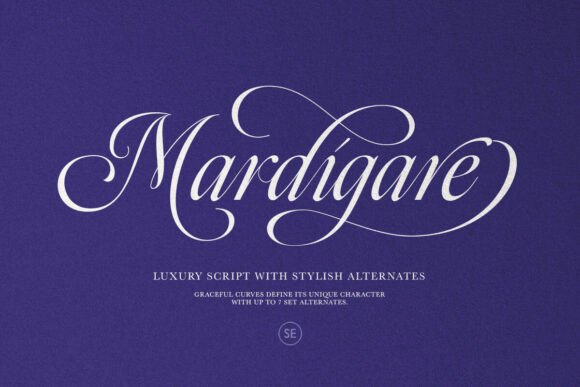
Mardigare is designed as a luxury script, meaning it mimics the fluidity of calligraphy while maintaining the structural integrity required for legibility in various media. Unlike standard cursive fonts that may appear too casual or overly ornate, Mardigare strikes a balance intended to convey elegance without sacrificing readability. The core appeal of this font lies in its character set, which includes up to seven sets of stylish alternates. These alternates are not merely decorative; they serve a functional purpose in preventing visual monotony during extended text usage.
When a designer selects Mardigare, they are choosing a tool that allows for significant variation within a single word or sentence. In professional typography, repeating the same glyph sequence can create a "machine-like" appearance. By utilizing the available alternates, a user can ensure that no two instances of a letter look identical, thereby enhancing the organic feel of the text. This feature is particularly valuable when the goal is to replicate the look of hand-lettering using digital tools.
Primary Applications and Use Cases
The versatility of Mardigare makes it suitable for several specific categories of design projects. However, its strength is most evident in contexts where emotional resonance and perceived value are paramount.
- Branding and Logos: For businesses operating in the fashion, beauty, or lifestyle sectors, Mardigare offers a way to establish an immediate sense of sophistication. Its script style can soften a brand identity while retaining a premium image.
- Wedding Invitations: One of the most common applications for this font is in wedding stationery. The flowing nature of the script pairs naturally with traditional wedding themes, conveying romance and formality simultaneously.
- Posters and Marketing Materials: When used for headlines on posters or promotional flyers, the stylish alternates allow for dynamic compositions that draw the eye. It works well for event announcements where a touch of class is required.
- Quote Graphics: Social media graphics featuring inspirational quotes often benefit from the artistic flair of Mardigare. The font adds a layer of visual interest that plain sans-serif or serif fonts might lack.
Evaluating Benefits and Technical Considerations
Before committing to Mardigare for a long-term project, it is important to weigh its benefits against potential tradeoffs. The primary advantage is the extensive library of alternates. Having up to seven variations per character provides a high degree of control over the final output. This flexibility allows designers to fine-tune the rhythm of the text, ensuring that the flow remains natural even when the text is set in larger sizes.
Furthermore, the "classy" designation of the font suggests a refined stroke contrast. This typically results in excellent performance at smaller sizes, provided the resolution of the medium is sufficient. In print scenarios, such as business cards or high-quality invitations, the font can reproduce the delicate details of the script effectively.
However, there are considerations regarding usability. Script fonts, by their nature, require more careful kerning (spacing between characters) than block letters. If the alternates are not applied consistently or if the spacing is too tight, the text can become difficult to read. Additionally, because Mardigare is a display-oriented script, it is generally less suitable for body copy. Using it for paragraphs of text can lead to reader fatigue, as the eye struggles to process the varying shapes of the letters over long distances.
Situations Where Alternatives May Be Preferable
While Mardigare excels in specific niches, it is not a universal solution. There are scenarios where other typefaces would be more appropriate. For instance, if a project requires a modern, minimalist aesthetic, the ornamental nature of Mardigare might feel out of place. Brands aiming for a tech-forward or corporate identity often prefer geometric sans-serifs that prioritize clarity over decoration.
Another consideration is the target audience. If the design needs to communicate accessibility or simplicity, a highly stylized script could introduce barriers to comprehension. Furthermore, for web applications where loading speed is critical, heavy script fonts with complex glyph data can sometimes impact performance compared to simpler, system-native fonts. In these cases, a more utilitarian typeface ensures a better user experience.
Decision-Making Insights for Designers
To determine if Mardigare is the right choice, designers should evaluate the hierarchy of their project. Is the font intended for headlines, logos, or accents? If so, Mardigare is likely a strong candidate. If the goal is to provide readable content for mobile screens or lengthy articles, it should be avoided. The decision ultimately rests on the balance between aesthetic desire and functional necessity.
Practical testing is also recommended. Before finalizing a design, render the font in different sizes and backgrounds. Check how the alternates interact with each other. Do they create a cohesive look, or do they clash? Sometimes, having too many options can lead to inconsistency if not managed carefully. A disciplined approach to selecting which alternate to use in which context is necessary to maintain a professional finish.
Additionally, consider the licensing and compatibility of the font. Ensure that the version of Mardigare you are using supports the necessary languages and special characters required for your project. While many modern fonts offer broad language support, script fonts can sometimes have limited coverage compared to standard Latin-based typefaces.
Conclusion
Mardigare represents a solid option for designers looking to inject a sense of luxury and style into their work. With its seven sets of stylish alternates, it offers the flexibility needed to create unique and stunning designs for branding, weddings, and posters. However, like any specialized tool, it has limitations. It is best suited for short-form text and display purposes rather than body copy. By carefully considering the context of the project and the needs of the audience, designers can make an informed decision on whether Mardigare will enhance their vision or detract from the message.
Ultimately, the success of a design depends on how well the typography serves the content. If the goal is to evoke emotion and elegance, Mardigare stands as a viable and effective choice. If the priority is maximum readability and neutrality, other options may be more prudent. Understanding these distinctions ensures that the final result is both beautiful and functional.