Trendy Font Evaluation
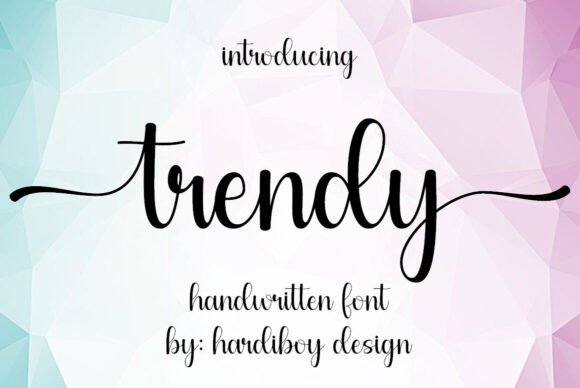
Trendy is a specialized typeface designed to bridge the gap between traditional elegance and contemporary design sensibilities. As an elegant script font, it distinguishes itself through beautiful character variations that prevent the repetitive look often found in digital scripts. The typeface combines a classic copperplate style with a modern touch, offering a visual identity that feels both timeless and current. This evaluation explores the specific characteristics of Trendy, its intended applications, and the practical considerations designers should weigh before selecting it for their projects.
Defining the Aesthetic: Classic Meets Modern
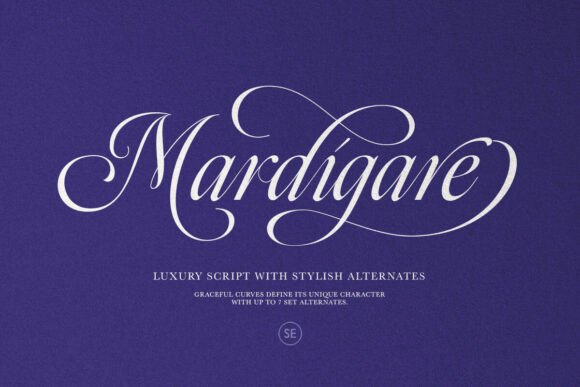
The core identity of Trendy lies in its ability to merge two distinct typographic eras. It retains the structural integrity and ornamental flair associated with classic copperplate engraving, which historically conveyed luxury and formality. However, unlike rigid historical revivals, this font incorporates a modern touch that ensures legibility and freshness. The design features luxurious letter connections that flow naturally, creating a sense of movement across the line of text.
Visually, the font presents as clean and feminine without sacrificing readability. This balance is achieved through great attention to detail in the stroke weights and terminal shapes. The result is a typeface that avoids the clutter often seen in elaborate scripts while maintaining a high level of sophistication. For users seeking a font that conveys refinement without appearing archaic, Trendy offers a compelling solution.
Key Visual Characteristics
- Character Variations: Multiple glyph options are included to introduce organic variation, reducing the mechanical feel of digital text.
- Luxurious Connections: Ligatures and swashes connect letters smoothly, enhancing the fluidity of the script.
- Clean Readability: Despite its decorative nature, the open counters and clear forms ensure the text remains easy to read at appropriate sizes.
- Feminine Tone: The delicate strokes and graceful curves create a soft, inviting atmosphere suitable for specific brand identities.
Ideal Applications and Use Cases
Understanding where a typeface fits within a design hierarchy is crucial. Due to its formal yet approachable nature, Trendy is particularly well-suited for contexts requiring a touch of luxury or personalization. Its versatility allows it to span various industries, provided the content aligns with its elegant tone.
Event and Stationery Design
The most common application for Trendy is in the realm of invitations and stationery. Its classic style makes it a strong candidate for wedding cards, where the need for formality and romance is paramount. Similarly, it works effectively for greeting cards, event programs, and high-end stationery sets. The font's ability to convey warmth while maintaining dignity helps establish a positive first impression for recipients.
Branding and Packaging
In commercial applications, Trendy excels in branding for fashion, beauty, and lifestyle sectors. It is frequently used for logos in the makeup and cosmetics industry, where a feminine and polished image is desired. Additionally, the font serves well on product labels and packaging for premium goods. Whether designing a menu for an upscale restaurant or creating a book cover for a novel, Trendy adds a layer of perceived value to the final product.
Editorial and Print Media
Magazines and books can also benefit from the use of this typeface, particularly for drop caps, pull quotes, or section headers. In these scenarios, Trendy acts as a visual anchor, breaking up dense text and guiding the reader's eye. Its use in advertising materials further reinforces brand messaging, ensuring that promotional content stands out while retaining a professional aesthetic.
Benefits and Tradeoffs
Selecting a font involves weighing advantages against potential limitations. While Trendy offers significant stylistic benefits, it is not a universal solution for every design challenge.
Primary Benefits
The most notable advantage of Trendy is its dual capability to appear both formal and modern. This flexibility allows designers to create layouts that feel established yet fresh. Furthermore, the inclusion of character variations provides creative freedom, enabling users to customize the look of individual words or phrases to avoid monotony. The clean structure ensures that even complex scripts remain accessible to the audience, preventing the "unreadable" pitfall common in many decorative fonts.
Potential Limitations
Despite its strengths, Trendy has constraints regarding its usage scope. As a script font, it is generally unsuitable for body text in long-form documents such as manuals, technical reports, or news articles. The intricate details and connected letters can reduce reading speed when used in large blocks of text. Additionally, the feminine and elegant tone may not align with brands targeting rugged, industrial, or minimalist audiences. In such cases, using Trendy could create a dissonance between the message and the visual presentation.
Decision-Making Considerations
Before committing to Trendy, designers should evaluate their specific project requirements against the font's inherent qualities. The decision process should focus on the target audience and the desired emotional response.
When to Choose Trendy
This typeface is a strong fit when the goal is to evoke feelings of elegance, intimacy, or celebration. If the project involves wedding invitations, luxury packaging, or editorial headers for fashion magazines, Trendy aligns well with these objectives. It is also an excellent choice when the design needs to stand out in a sea of sans-serif or serif competitors without resorting to overly aggressive or trendy gimmicks. Its classic foundation ensures longevity, meaning designs created today will likely remain stylish for years.
When to Seek Alternatives
Conversely, alternatives may be worth considering if the primary requirement is maximum legibility for small text or if the brand voice is strictly neutral or masculine. For example, a tech startup or a construction firm would likely find Trendy too ornate and inappropriate. In situations where a script font is needed but the copperplate style is too heavy, a simpler cursive or a modern handwritten font might serve better. Similarly, if the design requires a more playful or casual vibe, the formal nature of Trendy could feel out of place.
Practical Implementation Tips
To maximize the effectiveness of Trendy in a design project, consider the following practical insights:
- Pairing Strategy: Combine Trendy with a simple, neutral sans-serif or serif font for body text. This contrast highlights the script's elegance without overwhelming the viewer.
- Size Matters: Ensure that the font size is sufficient to display the fine details of the characters. Using the font too small can cause the connections to blur and the text to become illegible.
- White Space: Allow ample spacing around the text. The flowing nature of the script benefits from breathing room, which enhances the perception of luxury.
- Color Selection: Pair the font with colors that complement its elegant tone. Deep blues, golds, blacks, and soft pastels often work well to enhance the copperplate influence.
Conclusion
Trendy represents a thoughtful synthesis of historical elegance and modern usability. By offering beautiful character variations and luxurious connections, it provides designers with a powerful tool for creating sophisticated visuals. While it is not a one-size-fits-all solution, its specific strengths make it an ideal choice for formal events, luxury branding, and editorial accents. When selected with an understanding of its limitations and paired appropriately, Trendy can significantly elevate the quality and appeal of a design project.