Sattila: A Strategic Choice for High-End Branding and Editorial Design
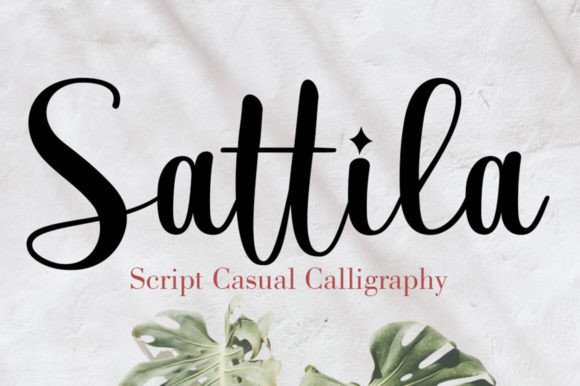
In the crowded landscape of digital typography, finding a typeface that balances artistic flair with commercial viability is a persistent challenge. Sattila emerges as a distinct solution for designers seeking to convey elegance without sacrificing readability. It is an elegant script with a creative mood and perfect form, inspired by today's beautiful calligraphy. The design philosophy behind this font is rooted in the concept of luxury; it is thick, balanced, and varied, born for luxury and beauty. This article provides an objective evaluation of Sattila, analyzing its technical characteristics, practical applications, and suitability for various professional workflows.
Defining the Visual Identity of Sattila
Unlike standard cursive fonts that often suffer from inconsistent stroke weights or overly decorative flourishes that hinder legibility, Sattila offers a refined approach to script typography. The core strength of this typeface lies in its structural integrity. It mimics the natural flow of a brush or nib while maintaining a robust presence on the page. The strokes are notably thick, which gives the text a sense of weight and authority often missing in delicate scripts. This thickness ensures that the letters remain visible even at smaller sizes or when reproduced on textured materials like packaging.
The "balanced" nature of the font refers to the careful distribution of white space within each character. In many script families, the counters (the enclosed spaces) can become too tight, causing visual clutter. Sattila avoids this pitfall, ensuring that the letterforms breathe. Furthermore, the "varied" aspect of the design prevents monotony. The transition between thick downstrokes and thinner upstrokes creates a dynamic rhythm that guides the eye naturally across a line of text. This variation is not arbitrary; it is calculated to enhance the aesthetic appeal while maintaining a consistent baseline and x-height where necessary for readability.
Practical Applications in Professional Contexts
Understanding where Sattila fits best requires looking beyond mere aesthetics to the functional requirements of specific industries. The font's inherent luxury and beauty make it particularly effective in sectors where perception and brand identity are paramount.
- Logotypes and Branding: For businesses aiming to project sophistication, Sattila serves as a powerful tool. Its unique character allows it to stand out in logo designs without requiring complex graphic elements. However, because it is a display script, it is most effective when used sparingly as a primary mark rather than for long-form body copy.
- Wedding Invitations and Romantic Cards: The romantic connotation of the script makes it a top contender for stationery. The fluid lines evoke emotion and intimacy, qualities essential for wedding announcements and anniversary cards. The high contrast between strokes adds a tactile quality that translates well to print, making physical invitations feel premium.
- Alcohol Labels and Packaging: The beverage industry relies heavily on visual storytelling. Sattila's boldness works exceptionally well on bottle labels, where it needs to catch the eye on a crowded shelf. The thick, balanced strokes ensure legibility even when the label is curved or printed on dark backgrounds.
- Name Spelling and Personalization: For freelancers and creators who use their names as a brand element, this font offers a personalized touch. It transforms a simple name into a signature piece of art, adding a layer of professionalism and artistic credibility to business cards and letterheads.
Evaluating Usability and Technical Performance
From a technical standpoint, the usability of Sattila depends heavily on how it is integrated into a design workflow. While it excels as a display type, designers must exercise caution regarding its application in body text. The complexity of the letterforms and the heavy stroke weight can reduce reading speed if used for paragraphs longer than a few sentences. Therefore, the most effective strategy involves pairing Sattila with a clean, neutral sans-serif or serif font. This combination leverages the script's decorative strengths while ensuring the informational content remains accessible.
Consistency is another critical factor. In a professional environment, a font must perform reliably across different mediums. Sattila demonstrates strong performance in vector-based formats like SVG and PDF, retaining its crisp edges and smooth curves. When converting to raster images for web use, the high contrast of the font helps prevent pixelation issues, provided the resolution is adequate. However, users should be aware that on very low-resolution screens, the intricate details of the script may blur slightly, necessitating careful testing before final deployment.
Audience Fit and Strategic Considerations
The decision to adopt Sattila should be driven by the target audience and the specific goals of the project. For entrepreneurs and small business owners in the luxury goods, hospitality, or event planning sectors, this font aligns perfectly with customer expectations. These audiences typically associate script typography with exclusivity and high quality. Using a generic script might dilute the brand message, whereas Sattila's distinct character reinforces a narrative of craftsmanship and attention to detail.
For educators and publishers, the utility of Sattila is more niche. It is an excellent choice for chapter headings, pull quotes, or cover art in books focused on arts, romance, or lifestyle. However, for academic texts or instructional materials where clarity is the priority, a more utilitarian typeface would be a safer bet. The key is to recognize that Sattila is a statement font; it demands attention and sets a tone that cannot be ignored.
Freelancers and bloggers looking to differentiate their personal brands will find value in the font's versatility. By using Sattila for headers and logos, they can create a cohesive visual identity that feels curated and intentional. This level of customization helps build trust with readers, signaling that the creator cares about the presentation of their work. In an era where digital content is abundant, a distinctive typographic voice can be a significant competitive advantage.
Potential Limitations and Best Practices
No typeface is without limitations, and Sattila is no exception. One potential drawback is the risk of overuse. Because the font is so expressive, it can quickly become visually overwhelming if applied to every headline or element on a webpage. Designers should adhere to the principle of restraint, using the script only where it adds maximum impact. Additionally, compatibility with older browsers or specific operating systems should be verified, although modern web font technologies have largely mitigated these concerns.
Another consideration is the availability of alternate characters and ligatures. For projects requiring extensive text processing, checking the full character set of Sattila is essential. If the font lacks certain specialized glyphs or punctuation marks required for the language being used, it could disrupt the flow of the design. Most professional implementations include a comprehensive set of ligatures that automatically connect letters, enhancing the organic feel of the script. Ensuring that these features are activated in the design software is crucial for achieving the intended look.
Long-Term Value and Investment
When evaluating the long-term value of Sattila, one must consider the longevity of the design trend it represents. Script fonts have cycled in and out of fashion for decades, but the demand for elegant, hand-crafted aesthetics remains constant. Sattila captures a timeless quality that transcends fleeting trends. Its balance of thick and thin strokes ensures it does not appear dated as quickly as some highly stylized novelties. For businesses investing in branding assets, this durability means the font will likely remain relevant for years, offering a solid return on investment.
The flexibility of Sattila also contributes to its enduring value. It can be scaled, rotated, and combined with other design elements to create diverse compositions. Whether used in a minimalist layout or a rich, ornate design, the font adapts to the context. This adaptability reduces the need for multiple typefaces, streamlining the design process and reducing licensing costs. For agencies managing multiple clients, having a versatile font like Sattila in their toolkit can significantly improve efficiency.
In conclusion, Sattila is more than just a decorative font; it is a strategic asset for designers and brands aiming to communicate luxury and creativity. Its thick, balanced, and varied forms provide a strong foundation for high-end projects ranging from alcohol labels to wedding invitations. By understanding its strengths and respecting its limitations, professionals can leverage Sattila to create compelling visual narratives that resonate with their audiences. For those willing to integrate it thoughtfully into their workflow, Sattila offers a reliable path to elevating the aesthetic quality of their work.